
7 Tips For Lowering Your Energy Bill
Reduce energy consumption and save money with these simple yet effective strategies for a lower energy bill.
Research topics
Are you tired of sky-high energy bills every month? You’re not alone. Many Americans are looking for ways to reduce energy consumption without sacrificing comfort. Fortunately, there are effective strategies you can implement to save money while also benefiting the environment. Here are seven actionable tips to help you lower your energy bill.
1. Invest in Energy-efficient Appliances
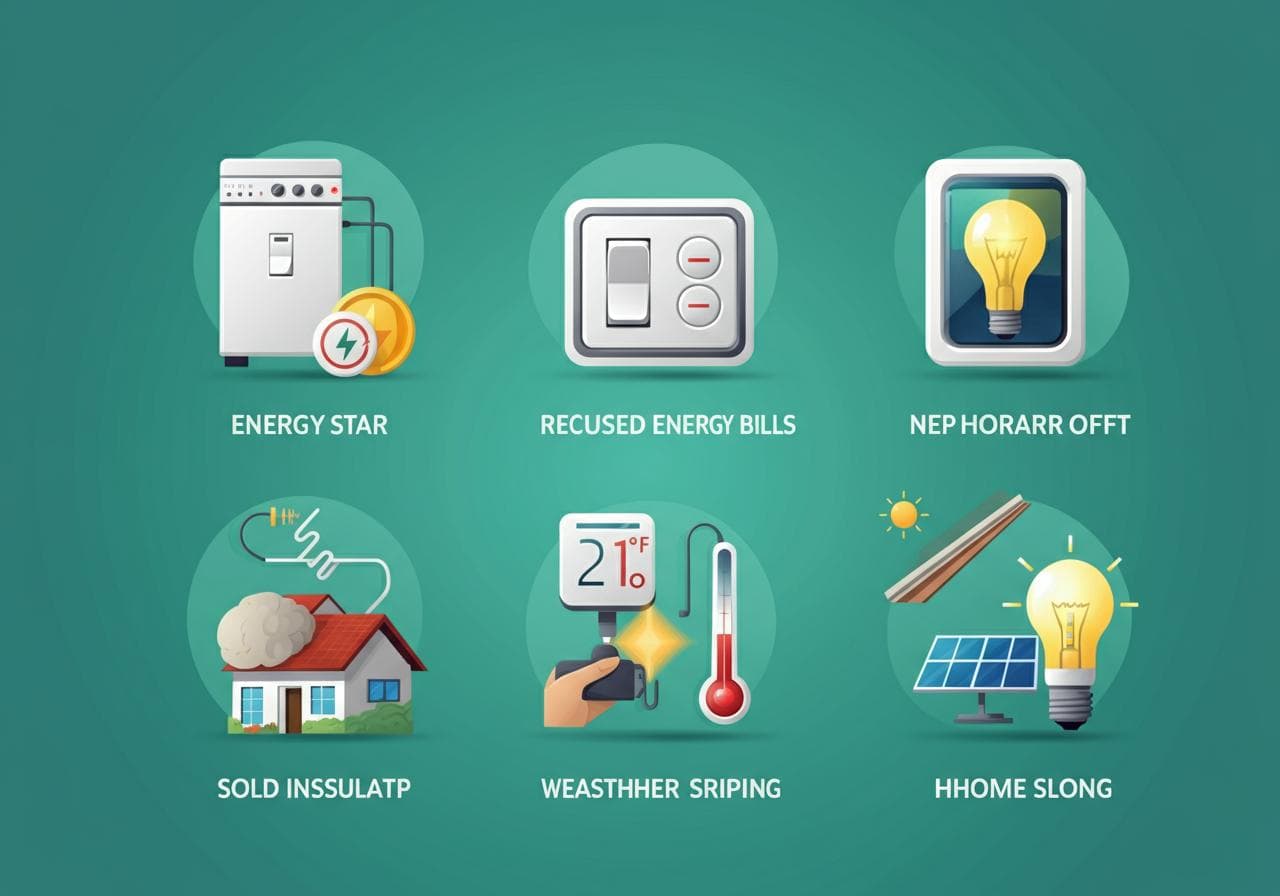
One of the most impactful steps you can take to reduce your energy bills is to invest in energy-efficient appliances. Look for products that have the ENERGY STAR label, as these appliances are designed to use less energy than traditional models. By replacing old appliances, such as refrigerators, dishwashers, and washing machines, you can save significant amounts of electricity. Not only will this lower your bills, but it will also reduce your carbon footprint. For more information on choosing energy-efficient devices, check out the NRDC guide.
2. Smart Thermostat Installation
A smart thermostat is not just a trendy gadget but a practical solution for managing your home's heating and cooling. These devices can learn your habits and optimize energy use accordingly—so your HVAC system doesn't work harder than it has to. Furthermore, modern smart thermostats can be controlled remotely through your smartphone, allowing for precise temperature management even when you're away from home. The money saved from improved efficiency can be substantial over time, making smart thermostat installation a worthwhile investment.
3. Weatherize Your Home
Weatherizing your home can be a simple yet effective way to keep energy costs in check. This can include sealing cracks around windows and doors, installing weather stripping, and using caulk to close gaps. Ensuring that your home is airtight prevents heat loss in winter and keeps your home cool in the summer, effectively reducing the burden on your heating and cooling systems. Simple weatherization tasks can yield big savings, making it an essential part of your energy-saving strategy.
4. Insulation Upgrades
If you are serious about reducing your energy bills, consider upgrading your insulation. Properly insulated homes retain temperature better, reducing the need for excessive heating or cooling. Areas like attics and basements are crucial to insulate, as significant energy loss often occurs in these spaces. While the initial investment might seem steep, the long-term savings on your energy bill, along with improved comfort, makes insulation upgrades a smart move. You might even qualify for government rebates for energy efficiency, further lowering the net cost.
5. Make the Switch to Solar Panel Installation
Considering solar panel installation is a progressive step towards energy independence. Initially, the setup costs can be high, but the long-term savings often outweigh this investment. Using solar panels will significantly reduce your reliance on the grid, making your energy bills more predictable and often much lower. Additionally, there are several federal and state incentives available that can further reduce the cost of installation. Exploring solar options can lead to both environmental benefits and substantial savings in the long run.
6. LED Lighting Conversion
Switching to LED lighting is one of the easiest and most effective ways to reduce your electricity usage. LEDs use significantly less energy compared to traditional incandescent bulbs and last much longer, meaning fewer replacements and less waste over time. While the upfront cost may be higher, you will immediately see the effects on your energy bill, leading to savings. If you're still using traditional lighting, now is the time to make the switch to LED—for a greener and more cost-effective lighting solution.
7. Unplug Electronics and Conduct an Energy Audit
Many devices consume energy even when they are turned off, a phenomenon known as "phantom load." To combat this, unplug electronics when they are not in use, especially chargers, gaming consoles, and other devices. Additionally, conducting an energy audit can further identify energy leaks and areas for improvement within your home. Many energy companies offer free energy audits, so take advantage of this opportunity to gain insights into how you can further reduce energy consumption. Consider checking out NerdWallet's guide for effective strategies.
By applying these tips, you'll be well on your way to lower energy bills and a more sustainable lifestyle. Start making small changes today, and soon you’ll see big changes in your energy consumption and costs!
For more detailed energy-saving strategies, visit CNET's list for an extensive selection of options. Remember, every little bit helps!
Posts Relacionados

Dental Implant Pricing Overview
Dental implant costs vary widely depending on factors such as materials, location, and complexity.

Luxury Senior Living Residences
Elegant retirement communities offer upscale amenities and personalized care for seniors.
Need A Plumber Guide And How To Find One
This guide helps you understand plumbing issues and locate qualified plumbers efficiently.