
Clean Water Heater For Better Efficiency
Regular flushing removes sediment, boosting efficiency. Cleaning extends lifespan, ensuring optimal performance and energy savings.
Research topics
Understanding Your Water Heater
Your water heater is one of the most hardworking appliances in your home, ensuring you have access to hot water whenever you need it. From long, relaxing showers to washing dishes, having a reliable and efficient water heater is essential. However, like any machine, it deserves some tender loving care. Taking proper steps towards maintenance can significantly improve its efficiency and lifespan.
The Importance of Regular Maintenance
Many homeowners overlook their water heaters until they face a problem. But did you know that regular maintenance can prevent issues like corrosion and sediment buildup? Just like a car goes in for an oil change, your water heater needs care too. Without it, your system has to work harder, using more energy and losing efficiency over time.
What Happens Inside Your Water Heater?
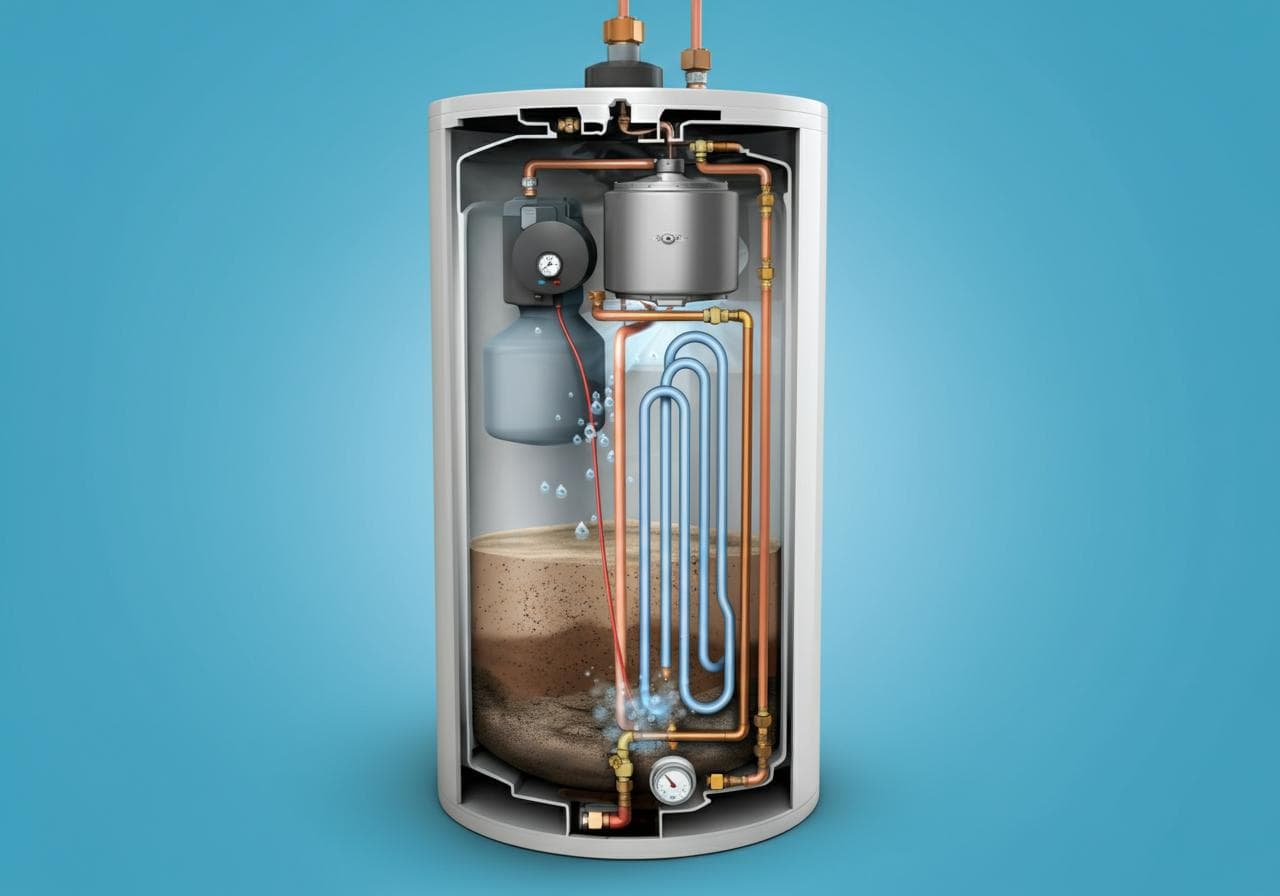
Inside your water heater, sediment can collect at the tank's bottom, resulting in decreased heating efficiency. This buildup can lead to overheating and even damage the heating element. Imagine having to wait longer for hot water or, worse, running out of hot water during a shower! This is why keeping your unit clean can make a world of difference.
How to Flush Your Water Heater
Flushing your water heater is a straightforward process that can help eliminate that pesky sediment. It's a necessary task that can greatly enhance your water heater's efficiency. But how do you do it? You can follow detailed guides like this one from Home Depot or this step-by-step guide to help you get started.
Step-by-Step Flushing Guide
First, make sure to turn off the power supply to your water heater. Next, you'll need to connect a garden hose to the drain valve at the base of the tank. Open the valve and let the hot water drain out. You can even turn on a hot water faucet in your home to assist with drainage. After draining, you can refill the tank and flush it a couple of times to ensure all sediment is removed.
The Role of the Anode Rod
While flushing is important, it’s also crucial to inspect the anode rod regularly. This magical little rod combats corrosion within your tank. Over time, it deteriorates while protecting the tank walls. If it’s significantly depleted, it’s time for a replacement. A healthy anode rod can save you from premature tank replacement and help maintain efficiency.
Why Clean Water Heaters Save You Money
By taking the time to flush your water heater and replace the anode rod when needed, you're not just improving its performance; you're also saving money on energy bills. A clean system uses less energy to heat water, which can be reflected in your monthly bills. Who wouldn't want to save a little extra cash while enjoying endless hot showers?
Signs Your Water Heater Needs Attention
Be on the lookout for signs that your water heater needs maintenance. Strange noises, inconsistent water temperature, or even rust-colored water can indicate a need for flushing or repairs. Addressing these issues promptly can prevent larger problems and ultimately prolong your unit’s life.
Conclusion
Your water heater is an essential part of your comfortable home life, and keeping it clean and well-maintained is key to ensuring its efficiency and longevity. Regularly flushing your water heater helps remove sediment, protects the heating element, and wards off corrosion, ultimately leading to better performance and reduced operating costs. Make it a habit to give your water heater some love, and you’ll reap the benefits!
For more details about cleaning your water heater, feel free to check out this informative article on how to flush your hot water heater.
Posts Relacionados
Ac Compressor Common Problems
Common issues involve refrigerant leaks, clutch failure, and internal damage impacting cooling efficiency and leading to repairs.
Ac Drain Cleaning Diy Guide
Regularly clean your AC drain to prevent clogs, maintain efficiency, and avoid potential water damage.

Ac Efficiency Maximizing Performance
Improve air conditioning efficiency by optimizing components. Achieving peak performance ensures reduced energy consumption.