
Cycling Performance Metrics Explored
Analysis reveals impact of air resistance, gear selection, and power output on achieving optimal speed and efficiency.

Research topics
Understanding Cycling Performance Metrics
As cycling enthusiasts and athletes, understanding the key Cycling Performance Metrics is crucial for enhancing our performance on two wheels. Gone are the days when cycling was merely about getting from point A to point B; today's cyclists dive deep into various metrics to understand their capabilities and limitations. From monitoring Power Output to analyzing Cadence, every number tells a story about our cycling fitness and efficiency.
The Role of Power Output in Cycling
Power Output is one of the most significant metrics for any cyclist. Measured in watts, it gauges the raw power a cyclist can generate while pedaling. It's especially useful for comparing efforts over various terrains and conditions. Understanding how to optimize your power output can lead to improved race times, better hill climbing, and a more enjoyable cycling experience overall.
Cadence: The Rhythm of Cycling
Cadence, defined as the number of pedal revolutions per minute, plays a vital role in achieving optimal performance. A cadence between 80 to 100 RPM is generally considered optimal for most cyclists. Monitoring your cadence helps you adjust your gear selection, making your ride both more efficient and less strenuous. If you're looking to improve your cycling biomechanics, consider incorporating cadence drills into your training regimen!
The Importance of Heart Rate Monitoring
Another critical metric is your Heart Rate. Keeping track of your heart rate helps assess your exertion levels and aerobic fitness. Training within specific heart rate zones can also be beneficial for building endurance and strength. Pushing beyond your limits can however lead to surpassed Anaerobic Threshold, where your body starts to fatigue faster. Hence, integrating heart rate training into your cycling sessions can provide valuable insights.
VO2 Max: The Ultimate Fitness Indicator
Vo2 Max is often touted as the gold standard for measuring aerobic capacity. It defines the maximum amount of oxygen your body can utilize during intense exercise. Cyclists with a higher VO2 Max can generally sustain higher intensities for longer durations. Regular testing and training can help improve this critical metric and ultimately enhance your cycling performance.
Aerobic Capacity and Anaerobic Threshold
Your Aerobic Capacity represents the efficiency of your heart, lungs, and muscles during a sustained activity. Along with aerobic capacity, the Anaerobic Threshold determines how hard you can work before lactic acid builds up, leading to quick fatigue. By training around these thresholds, cyclists can vastly improve their endurance, making it easier to manage longer rides and tougher courses.
Understanding Cycling Efficiency
Cycling Efficiency is determined by how effectively you convert your power output into forward motion. Factors like your cyclist position, bike fit, and riding style all impact your overall efficiency. Whether you’re a novice or a seasoned cyclist, minor adjustments can lead to significant improvements in your overall performance. Harness the power of cycling biomechanics to make proactive changes to your cycling technique!
External Factors: Drag Coefficient and Resistance
External elements such as Drag Coefficient, Wind Resistance, and Rolling Resistance can greatly affect your performance. The drag coefficient reflects how aerodynamic your body and bike setup are. Ideal setups can drastically reduce drag, allowing you to maintain high speeds with less effort. Awareness and techniques to minimize these resistances can elevate your performance to new heights.
Integrating Cycling Biomechanics for Performance Gains
Understanding Cycling Biomechanics is essential for any cyclist aiming for performance gains. This includes an understanding of body movement and posture that impacts power output and efficiency. Adjusting your position can prevent injuries and improve overall power output and efficiency. With all these metrics combined, cyclists can make informed decisions to enhance their overall experience. For more insights into how efficient cycling affects various systems, check out these articles on short cycling or read more on why it's detrimental to understand how cycling performance metrics may apply even to home efficiency.
For advice related to various systems and performance, visit this link to gain deeper understanding!
Posts Relacionados
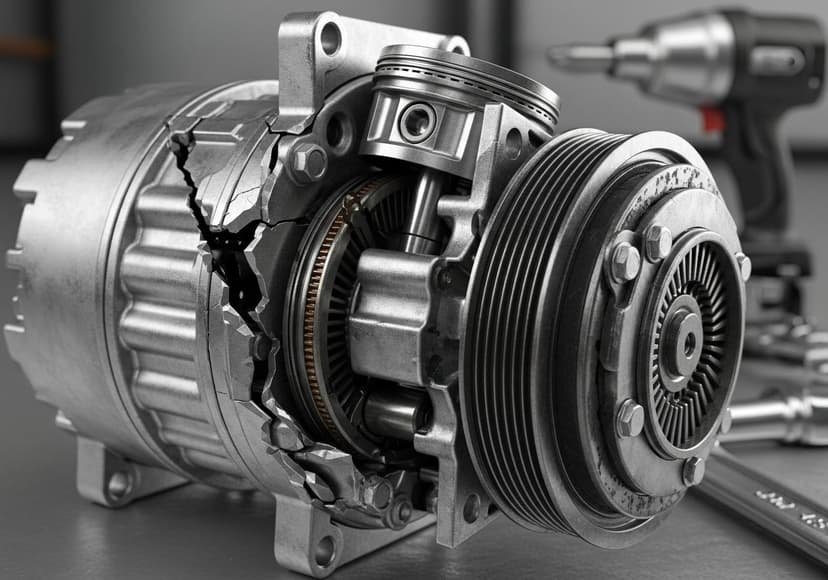
Ac Compressor Common Problems
Common issues involve refrigerant leaks, clutch failure, and internal damage impacting cooling efficiency and leading to repairs.

Ac Drain Cleaning Diy Guide
Regularly clean your AC drain to prevent clogs, maintain efficiency, and avoid potential water damage.

Ac Efficiency Maximizing Performance
Improve air conditioning efficiency by optimizing components. Achieving peak performance ensures reduced energy consumption.