
Food Safety In Senior Centers
Proper food handling and storage are crucial to prevent foodborne illnesses in senior centers.

Research topics
Food safety is an essential concern in senior centers, where the elderly population relies heavily on Senior Food Services to maintain their health and well-being. Ensuring that meals served are safe, nutritious, and adhere to necessary dietary restrictions is a priority for these facilities. As the number of aging individuals increases, understanding the importance of Quality Control in meal preparation and delivery becomes ever more critical.
The Importance of Food Safety
Food safety plays a crucial role in preventing foodborne illnesses that can severely impact the health of seniors. Elderly individuals often have compromised immune systems, making them more susceptible to the harmful effects of contaminated food. Proper handling and preparation of meals in senior centers can help minimize these risks.
Senior Centers and Nutrition Programs
Many senior centers run nutrition programs designed specifically for older adults. These programs often include meal delivery services to ensure that seniors receive balanced, healthy meals right at home or within the facility. Adapting menu planning to the specific needs of the elderly, such as incorporating necessary dietary restrictions, enhances their overall health and satisfaction.
Meal Delivery and Dietary Restrictions
Meal delivery services are a vital aspect of senior food services, especially for those who face mobility issues or have health concerns. These services can be tailored to address dietary restrictions commonly found in the elderly population, such as low-sodium or diabetic-friendly meals. Ensuring that meals comply with these specifications not only meets individual health needs but also plays a significant role in maintaining seniors' quality of life.
Adhering to Food Regulations
Senior centers must adhere to strict food regulations to ensure safety and quality. This includes standards set by governmental and health agencies. Regular adherence to food safety guidelines ensures that facilities operate within the law and maintain their credibility. Adequate training for staff on these regulations can provide a strong foundation for maintaining high standards in food preparation.
Sanitation Practices in Senior Food Services
Implementing proper sanitation practices is key in any food service environment, especially in senior centers. Regular cleaning and sanitization of kitchens, utensils, and dining areas help to prevent cross-contamination. Routine checks and audits can ensure that Quality Control measures are practiced consistently, leading to a safer dining experience for elderly patrons.
Quality Control Measures
To uphold food safety and quality, senior centers need to instill robust quality control measures. Regular inspections, proper staff training, and effective monitoring systems can help detect potential issues before they escalate. Ensuring that all employees understand the importance of their role in food safety can create a culture of accountability and commitment to high standards in meal preparation.
Understanding Foodborne Illnesses
Foodborne illnesses can have severe consequences for elderly individuals. Understanding the types of pathogens and their impact helps senior centers implement effective prevention strategies. Educating staff and seniors about proper food handling, cooking temperatures, and safe storage practices is essential in minimizing risks of foodborne illnesses.
Quality Control in Meal Delivery
For meal delivery services, maintaining Quality Control is vital. This includes ensuring meals are delivered at the right temperature and within safe timeframes. Regular feedback from recipients regarding meal taste, quality, and delivery service can provide valuable insights for continuous improvement. Senior centers can enhance their services by keeping in mind the preferences and health conditions of their clients.
Final Thoughts
In conclusion, food safety in senior centers is a multifaceted issue that requires dedication and awareness. It involves understanding and implementing effective sanitation practices, adhering to food regulations, and maintaining high standards of Quality Control. By prioritizing these elements, senior centers can ensure that they provide the safest and most nutritious meals for the elderly, allowing them to enjoy their food without worry.
Helpful Resources
For more information on meal programs available for seniors, you can explore the following links: California Meal Programs, Feeding America Senior Programs, and Maryland Nutrition Programs.
Posts Relacionados
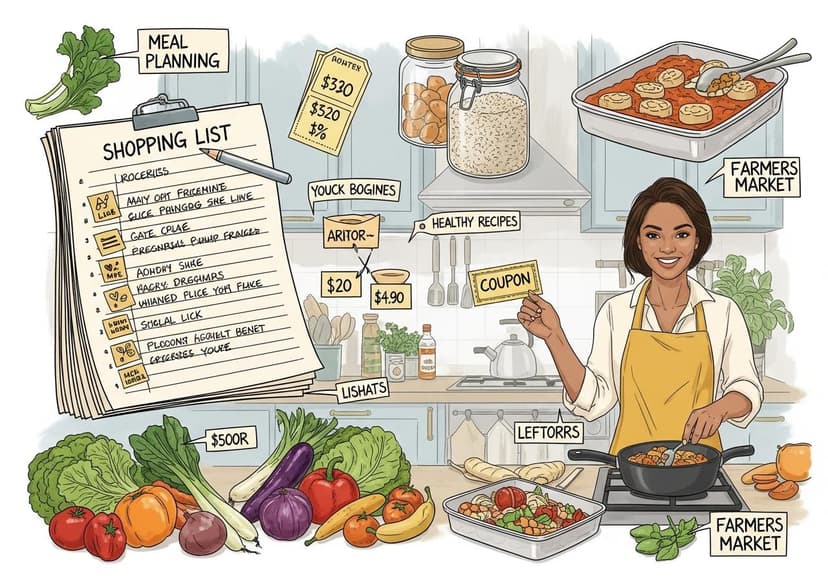
7 Tips For Eating Healthy On A Budget
Shop smart, compare prices, plan meals, and embrace affordable, fresh produce to save money on food.

Best Senior Restaurants
Enjoy delicious meals and delightful company in welcoming environments, offering senior-friendly dining experiences.
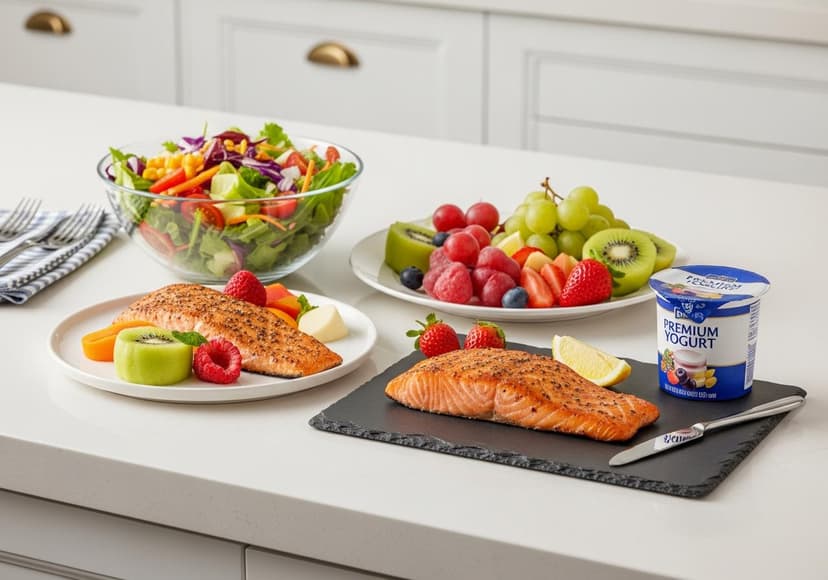
Easy Senior Dinner Ideas No Cook
Quick, simple, and no-cook dinner options. Perfect meals for seniors focused on health and ease.